

Harris is deputy communications director at Stand Up America.
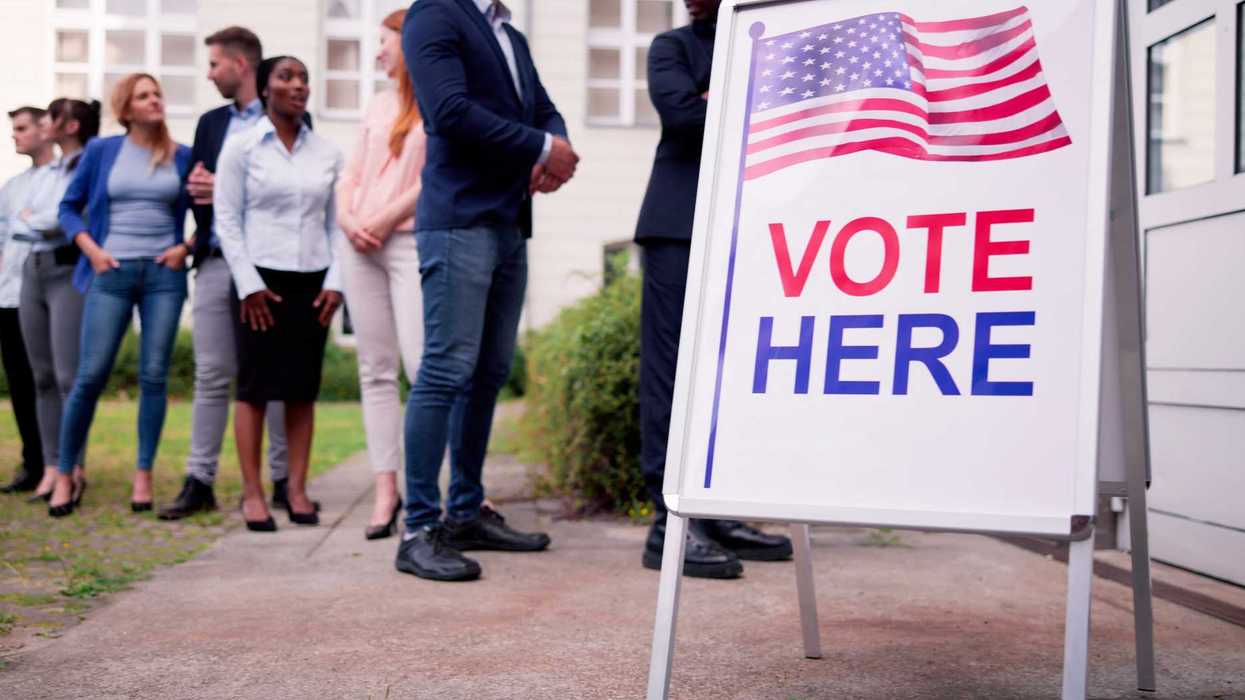
In 2023, voters demonstrated a firm commitment to defending our democracy in races up and down the ballot. Once-obscure elections burst into the mainstream. Americans turned out in record numbers to vote in state supreme court races that will determine their right to abortion access, whether their votes will be counted and how their voting districts will be drawn.
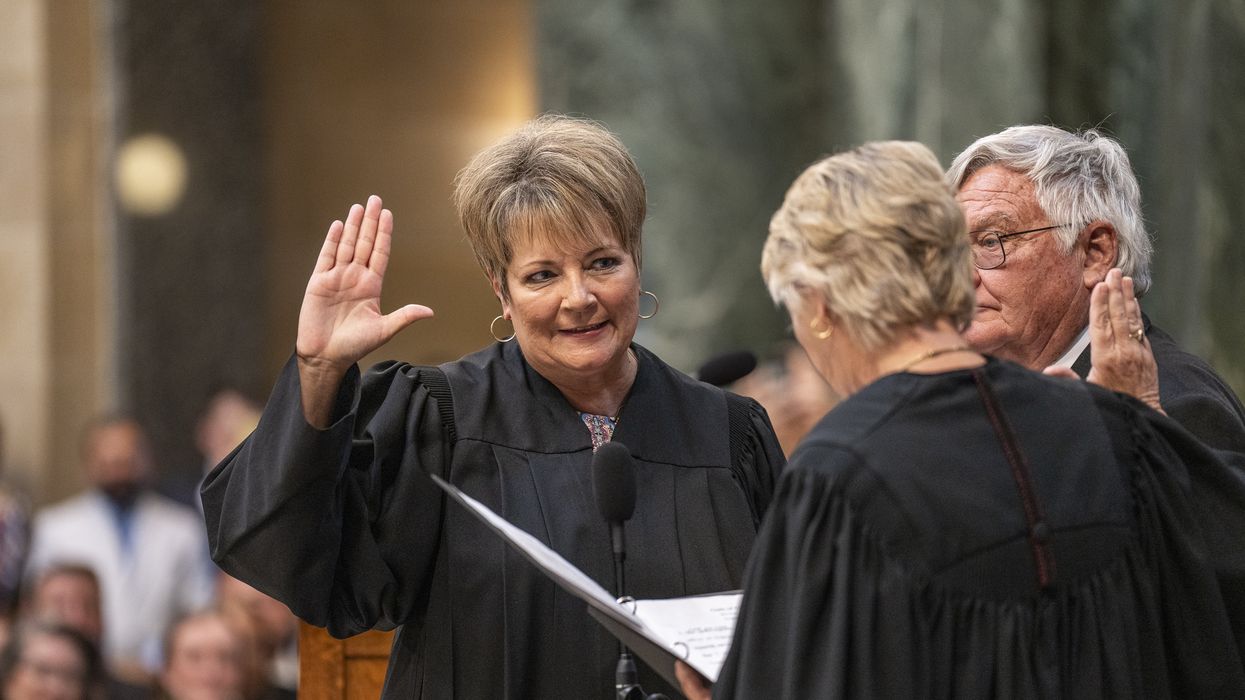
The election of Janet Protasiewicz to the Wisconsin Supreme Court in April and Dan McCaffery to the Pennsylvania Supreme Court in November underscores the importance of state courts in safeguarding our fundamental freedoms and democratic processes in 2024.
Wisconsin and Pennsylvania were focal points in the anti-democratic efforts to challenge election results in 2020 and 2022. In 2022, only Arizona saw more election-related lawsuits filed than Wisconsin and Pennsylvania. Similarly, in 2020, the vast majority of election lawsuits were in six pivotal battleground states, including Pennsylvania and Wisconsin.
The election of Protasiewicz and McCaffery sends a message that voters want justices who are vocal about protecting fundamental freedoms and rejecting baseless challenges to election results. By electing pro-democracy justices to their respective state supreme courts, voters built a critical firewall against efforts to subvert the will of the people in 2024.
On April 5, “Judge Janet” won with the highest-ever turnout for an off-year Wisconsin Supreme Court race. Spending on the race exceeded $42 million, nearly triple the previous national record for a court race. It was unusual that a state supreme court race would capture voters’ attention the way it did, but after the U.S. Supreme Court overturned Roe v. Wade and the insurrection of Jan. 6, 2021, voters turned out in force to protect abortion rights and their freedom to vote. And Wisconsin was just the beginning.
In November, Dan McCaffery defeated Carolyn Carluccio in Pennsylvania’s Supreme Court race. McCaffery was vocal about defending democracy and Pennsylvanians’ access to health care, voting rights and other issues. While McCaffery’s election doesn’t change the partisan balance on the seven-seat high court, a loss would have heightened contentious fights on redistricting, abortion and voting rights in the coming years.
Voters’ increased attention on state supreme court races is a direct response to Republican-led efforts to restrict access to the ballot and overturn the will of the voters in 2020. Americans are also paying closer attention to the courts after key U.S. Supreme Court decisions left reproductive justice and voting rights in the hands of state legislatures. Right now, the electorate is demanding justices who uphold the democratic process and rule on cases without a partisan agenda. Americans are beginning to understand that state courts can serve as a firewall for our democracy and our freedoms.
At Stand Up America, we saw voters’ enthusiasm for these races firsthand. Our members sent 1 million peer-to-peer texts to voters, joined hundreds of volunteer shifts and wrote 22,000 handwritten letters to educate Wisconsin voters about the importance of the Supreme Court election. In Pennsylvania, our members mobilized volunteers to text over 130,000 voters to turn out the vote. The excitement around these races also helped us engage pro-democracy celebrities including Bradley Whitford, Chelsea Handler, Andy Cohen and Alicia Keys to encourage their fans to vote and volunteer in judicial elections.
In 2024, state supreme court races will continue to be a key battleground in protecting democracy. Voters in 33 states will cast ballots for their courts’ top judges in 2024. Races in Ohio and Michigan – and beyond – will be critical to defending our freedom to vote.
Americans can’t afford to elect judges who are unwilling to state their position on democracy issues, or risk further assaults on our right to vote and our right to reproductive health care. Wisconsin and Pennsylvania voters have set a commendable example, highlighting that the strength of our democracy rests in the hands of those who actively engage in its preservation.